
Packaging plays an important role in modern commerce, not only protecting products but also influencing consumer behavior and brand identity. As industries evolve, so do packaging trends, incorporating advancements in sustainability, technology, and design to meet the ever-changing demands of consumers and businesses alike. This article explores the current trends in packaging and predicts where the industry is heading in the future.
What Are the Current Trends in Packaging?
1. Sustainable Packaging
Sustainability has become a primary focus in packaging design as businesses and consumers seek environmentally friendly alternatives. Key elements of sustainable packaging include:
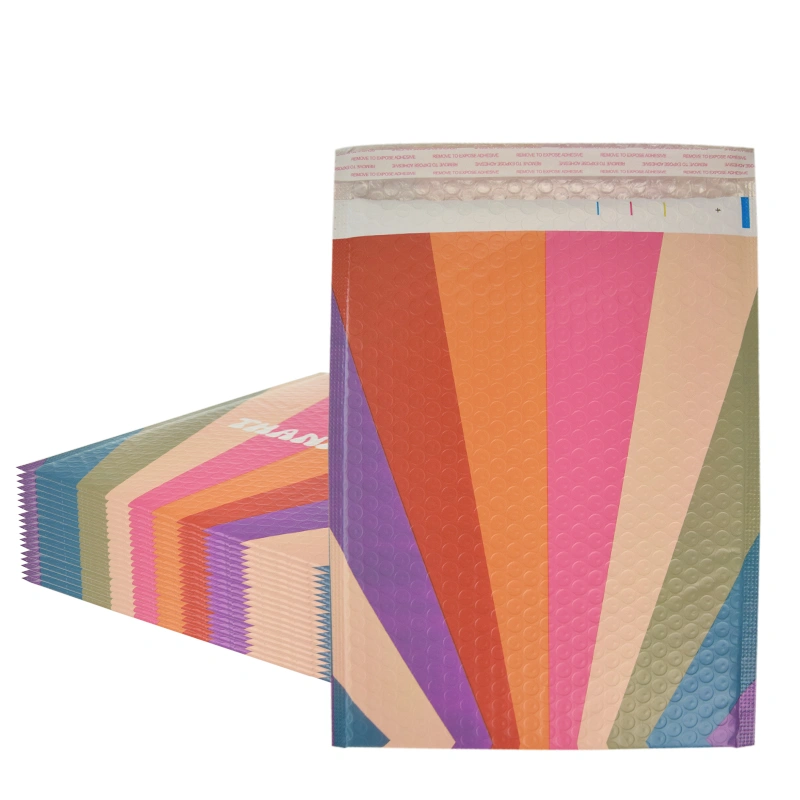
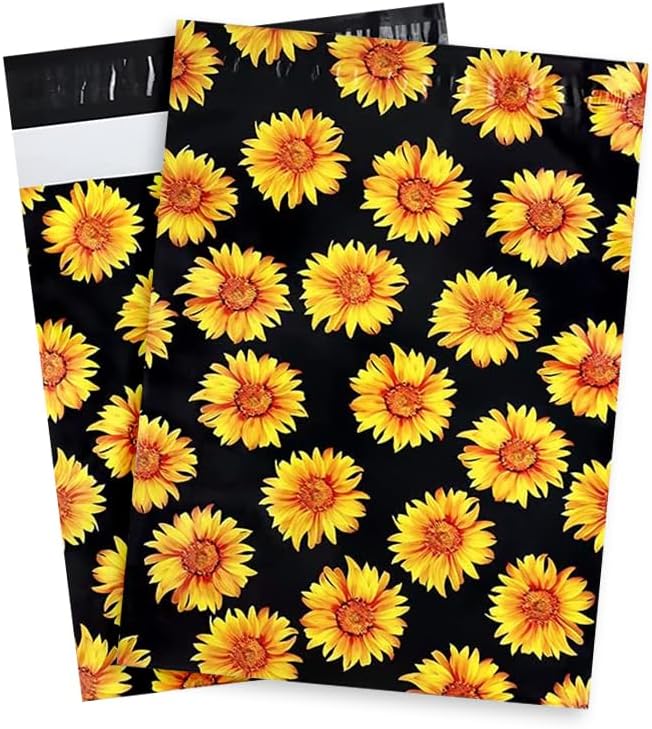
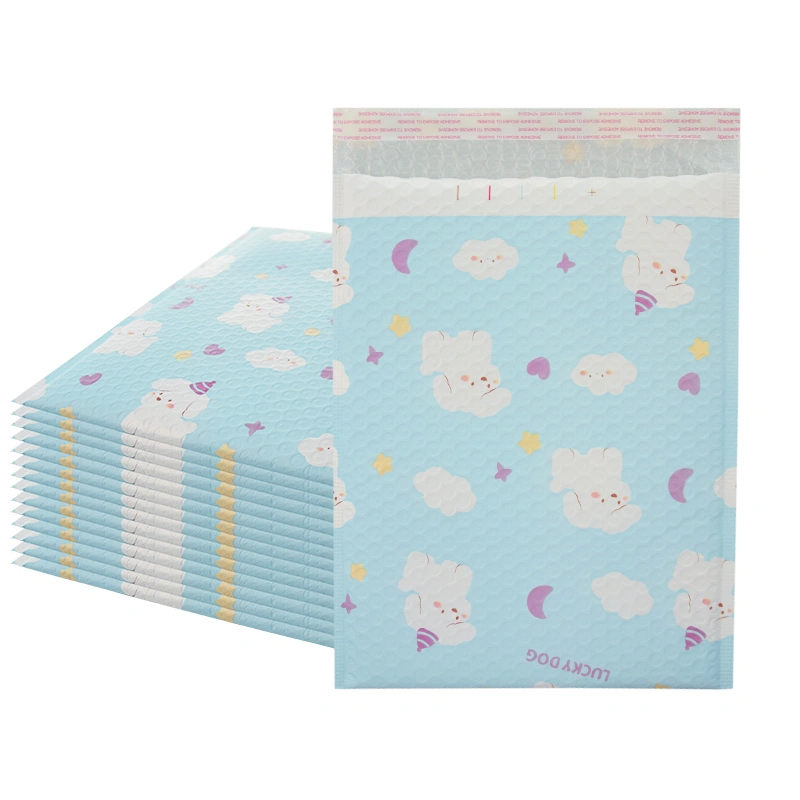
- Recyclable materials: Brands are moving toward materials that can be easily recycled, such as cardboard, glass, and certain plastics.In IMailer, we provide recyclable cellophane bags, poly mailers, ziplock bags and bubble mailers. We believe these packaging options will give you a worry-free packaging experience.
- Biodegradable and compostable options: Packaging made from plant-based materials, like cornstarch or bamboo, is gaining popularity.
- Minimalist packaging: Reducing excess packaging materials not only cuts costs but also appeals to eco-conscious consumers.
- Reusable packaging: Some brands are adopting reusable packaging, encouraging consumers to return or repurpose containers.
2. Flexible Packaging
Flexible packaging is rapidly becoming a top choice for industries seeking versatility, reduced waste, and cost-effective options. They have many advantages that make them soon mainstream packaging options:
- Minimal material usage: Flexible packaging uses fewer raw materials compared to rigid options, reducing production costs and the environmental impact. This not only cuts down on waste but also contributes to lower transportation costs, thanks to its lighter weight.
- Materials commonly used: Flexible packaging is typically made from materials such aspaper, paper-based materials, plastic films, and aluminum foil. These materials are chosen for their durability, lightness, and excellent barrier properties, making them ideal for preserving food, beverages, and a variety of other products.
- Extended shelf life: Advanced barrier technologies in flexible packaging help protect the contents from air, moisture, and light, ensuring that products—especially food and beverages—stay fresh for a longer period. This can drastically reduce spoilage and improve inventory management.
- User-friendly convenience: Flexible packaging offers a level of convenience that’s hard to beat. Features like resealable zippers, easy-pour spouts, and tear-notches make it easier for consumers to store and use products, adding a layer of practical, everyday usability that appeals to on-the-go lifestyles.
- E-commerce-specificPackaging
E-commerce is still rapidly growing, and as companies focusing on personalization and differentiation increase, the demand for services supporting e-commerce businesses, such as packaging and labeling, will also rise. Common packaging options like cellophane bags, poly mailers, and bubble mailers are expected to see higher demand. Therefore, relevant businesses need to be prepared for more B2B orders and increasingly diversified demands.
- Regular Packaging:Basic packaging needs, such as cellophane bags and poly mailers, will continue to have a stable market. As long as e-commerce exists, this type of demand will not disappear. IMailer offers high-quality, reasonably priced, and recyclable packaging bags, welcoming e-commerce businesses to choose from our selection.
- Customized Packaging:When promoting a brand, packaging bags are one of the most cost-effective and practical methods. By customizing packaging bags with brand logos that are reusable, aesthetically pleasing, and unique, companies can maximize the value of their packaging, making it not only functional but also a means of brand promotion.
4. Minimalist Packaging
The “less is more” approach in packaging design emphasizes simplicity, elegance, and efficiency. Features of minimalist packaging include:
- Clean typography and subtle branding: This makes packaging look sophisticated and modern.
- Neutral and natural color palettes: Earthy tones and muted colors align with eco-friendly messaging.
- Functional simplicity: Simple designs that reduce waste and improve ease of use appeal to consumers who value efficiency.
5. Smart Packaging
Technology is transforming packaging into an interactive experience with features like:
- QR codes and NFC tags: These allow customers to scan and access product details, authenticity verification, or even augmented reality experiences.
- Temperature-sensitive indicators: Ideal for food and pharmaceutical industries, these indicators help ensure products remain in optimal conditions.
- RFID tracking: Useful for inventory management, RFID tags improve supply chain efficiency.